Best Time to Visit Patagonia: A Season-by-Season Guide

Wondering when to visit Patagonia? Discover the best time to travel based on your interests, from hiking in Torres del Paine and wildlife watching to autumn colours, photography, and luxury journeys across Chilean and Argentine Patagonia.

Patagonia Is Not a Destination for Just One Season

One of the most common questions travelers ask when planning a journey to southern Chile and Argentina is simple:

When is the best time to visit Patagonia?

The answer is less straightforward than many expect.Unlike destinations that have a clearly defined high season, Patagonia changes dramatically throughout the year. Weather patterns, wildlife activity, accessibility, colours, and even the atmosphere of a journey can vary significantly from one season to another.

For this reason, choosing when to travel is not simply a practical decision. It shapes the entire experience.

Some travelers dream of long summer days beneath the granite towers of Torres del Paine. Others are drawn to the golden forests of autumn, the silence of remote valleys in spring, or the dramatic beauty of snow-covered landscapes.

After years of travelling throughout Chilean and Argentine Patagonia, I have come to believe that there is no universally perfect season. There is only the season that best matches the type of experience you are seeking.

Understanding Patagonia's Climate

Before choosing travel dates, it is important to understand one essential characteristic of Patagonia:

Weather is unpredictable.

The region sits at the meeting point of the Andes Mountains, the Pacific Ocean, the Southern Ice Fields and the Patagonian steppe. These powerful geographical forces create constantly changing weather conditions.

It is entirely possible to experience sunshine, strong winds, rain and clear skies within a single day.

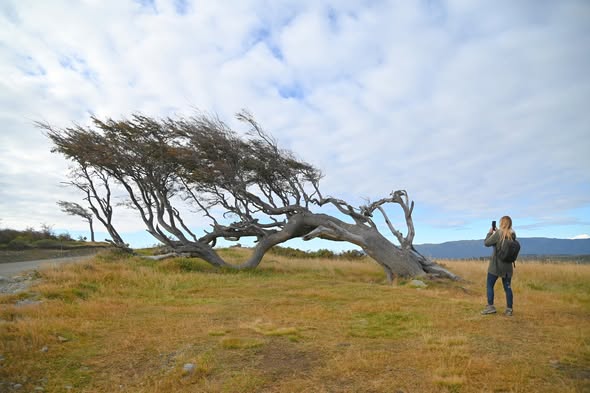
This variability is part of Patagonia's character and one of the reasons the landscape feels so wild and alive.

Rather than expecting perfect weather, travelers should focus on selecting the season that aligns with their interests and travel style.
Patagonia in Spring (October to November)

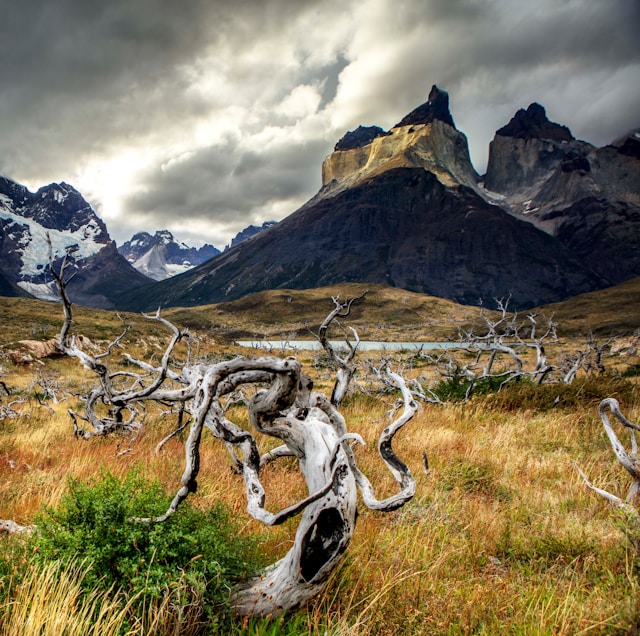
For many experienced travelers, spring is one of Patagonia's best-kept secrets.

As winter gradually releases its grip, landscapes begin to awaken. Wildflowers appear across the steppe, rivers flow with renewed energy, and many areas remain pleasantly uncrowded.

This period offers a wonderful balance between accessibility and tranquility. National parks are open, days become longer, and visitor numbers remain significantly lower than during peak summer months.

Wildlife observation is often excellent during spring. Guanacos are highly active, migratory birds return, and in areas such as Torres del Paine, puma sightings can be particularly rewarding.

For photographers, spring offers exceptional opportunities. Snow still crowns the mountain peaks while fresh vegetation creates vibrant contrasts across the landscape.
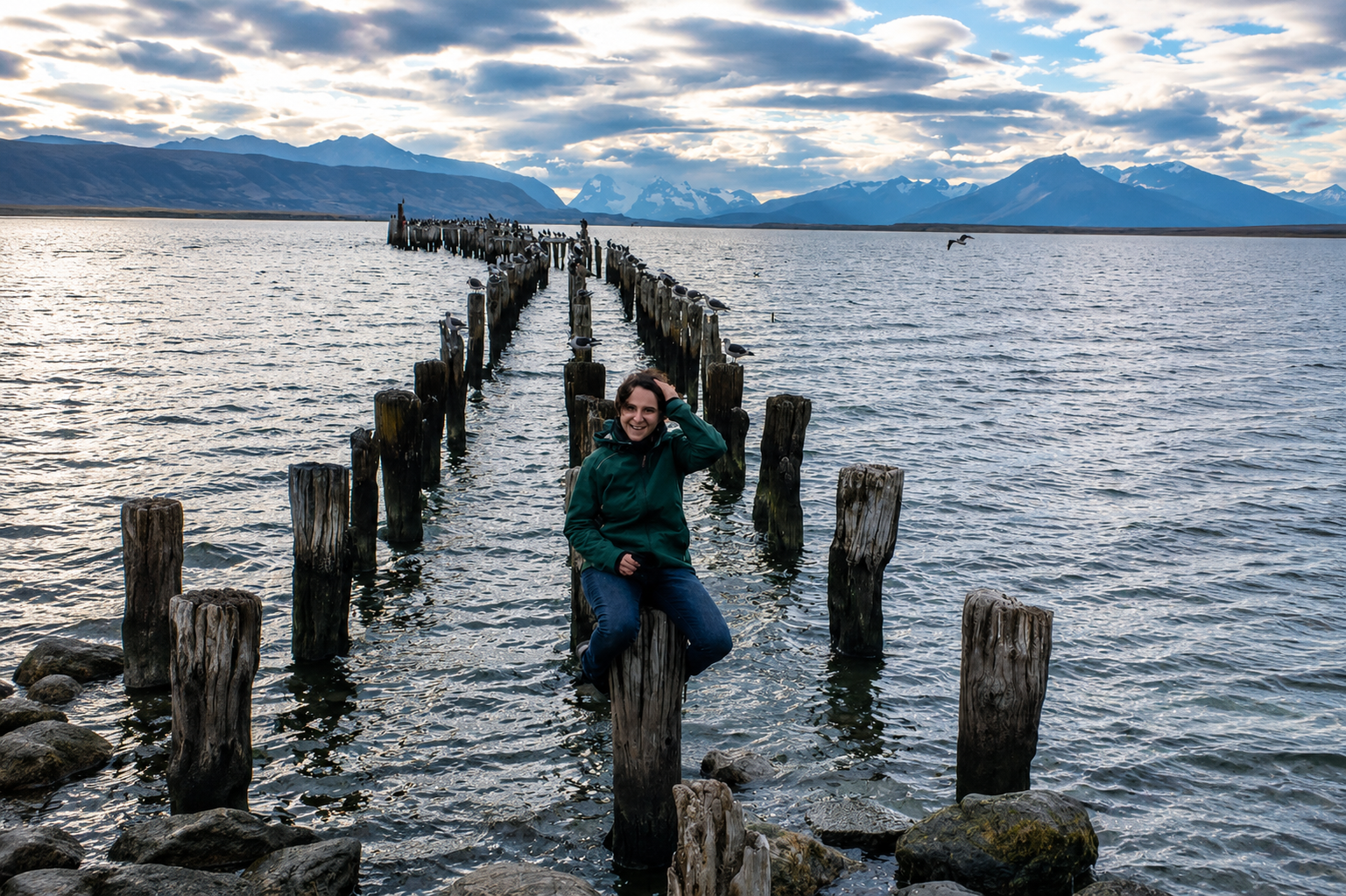
Spring is ideal for:

  • Wildlife enthusiasts
  • Nature photographers
  • Travelers seeking fewer crowds
  • Active travelers interested in hiking
  • Visitors who value a quieter atmosphere

Patagonia in Summer (December to February)

Summer is Patagonia’s most popular travel season and for good reason.

Long daylight hours, relatively mild temperatures, and fully operational tourism services make this the easiest time to explore the region.

In southern Patagonia, daylight can extend well into the evening, creating a remarkable sense of freedom. Hikers can spend entire days outdoors, while travelers following road-based itineraries benefit from extended sightseeing opportunities.

This is the best season for classic Patagonia routes that combine destinations such as Torres del Paine, El Calafate, El Chaltén and Tierra del Fuego.

However, summer also brings the highest visitor numbers. Popular trekking routes, lodges and hotels often book many months in advance.

For travelers seeking comfort and premium accommodation, early planning is essential.

Summer is ideal for:

  • First-time visitors
  • Multi-country Patagonia itineraries
  • Long-distance trekking
  • Families travelling during holiday periods
  • Travelers seeking maximum flexibility

Get inspired by our Patagonia tours for first-timers: link

Patagonia in Autumn (March to April)

If I had to choose a personal favourite season, it would probably be autumn.

By March, visitor numbers begin to decline, creating a more peaceful atmosphere across the region. At the same time, Patagonia’s forests undergo a spectacular transformation.

The lenga forests of Chilean Patagonia and southern Argentina turn shades of gold, amber and deep red, creating some of the most beautiful landscapes of the year.

The light becomes softer, temperatures remain comfortable, and hiking conditions are often excellent.

One of the greatest advantages of autumn is the balance between accessibility and serenity. Many tourism services remain open while the busiest summer crowds have already departed.

For travelers who appreciate slower journeys and meaningful immersion, autumn can be an extraordinary time to visit.

Autumn is ideal for:

  • Photographers
  • Couples
  • Slow travelers
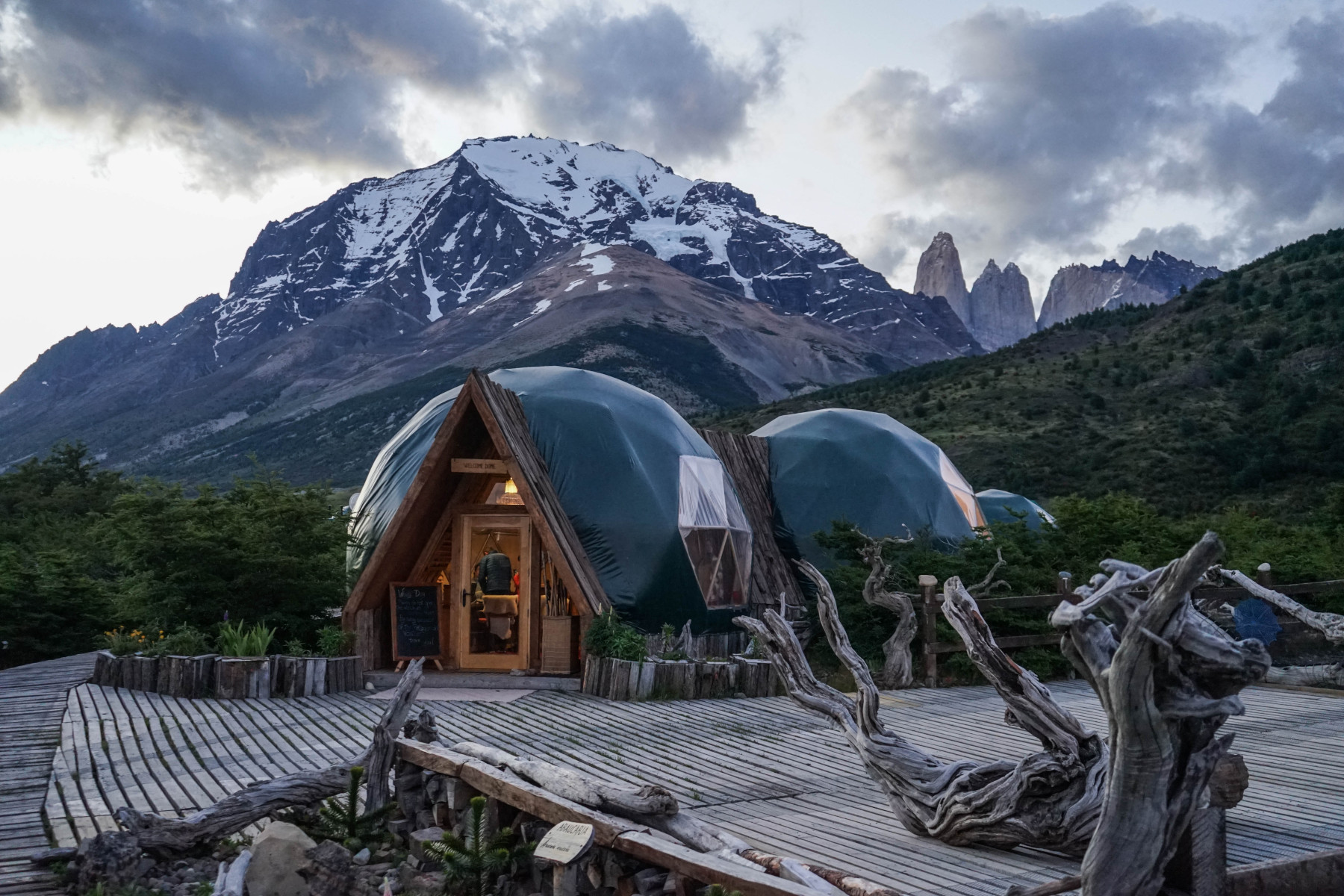
  • Luxury travelers seeking privacy
  • Travelers interested in scenic road journeys

Patagonia in Winter (May to September)

Winter reveals a completely different side of Patagonia.

Tourism activity decreases significantly, many remote lodges close for the season, and some roads become more difficult to access.

At first glance, this may seem like a disadvantage. Yet for certain travelers, winter offers a rare opportunity to experience Patagonia in its most intimate and contemplative form.

Snow transforms mountain landscapes, visitor numbers are minimal, and destinations often feel almost untouched.

Winter is not the best season for a first visit to Patagonia. However, for returning travelers or those specifically interested in winter photography and remote wilderness experiences, it can be deeply rewarding.

Winter is ideal for:

  • Returning visitors
  • Winter photography
  • Snow landscapes
  • Travelers seeking solitude
  • Specialized outdoor experiences
 
Discover our ski tour in Pucon: link

Best Time to Visit Patagonia for Hiking

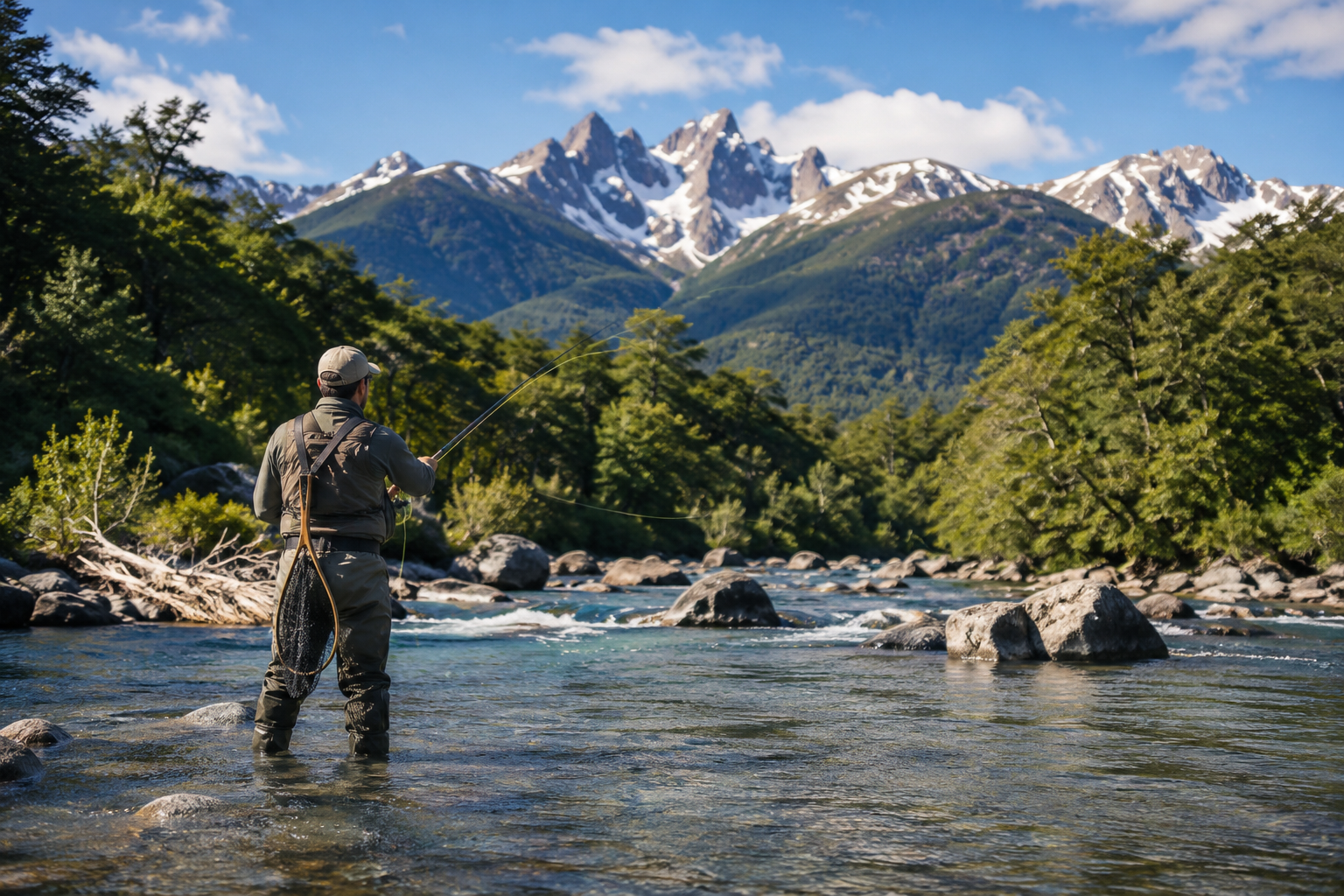
For most hikers, the best period runs from November through March.

During these months, trails are generally accessible, temperatures are milder, and daylight hours are longest.

Classic routes such as the W Trek in Torres del Paine and the trails around Mount Fitz Roy in El Chaltén are at their best.

However, shoulder seasons often offer a better overall experience for travelers who value quieter trails and greater flexibility.

Best Time to Visit Patagonia for Wildlife

Wildlife can be observed throughout the main travel season, but spring and early summer often provide the best opportunities.

In Torres del Paine, puma tracking is particularly rewarding during these periods, while birdlife becomes increasingly active across wetlands, lakes and grasslands.

Whale watching opportunities also vary throughout the year depending on the region visited.

Discover our tour in the heart of the wild Andes: link

The Best Season Depends on Your Travel Style

Many travel guides try to identify a single “best” time to visit Patagonia.

In reality, the best season depends entirely on the type of journey you wish to experience.

If you dream of classic trekking routes and long days outdoors, summer is likely the right choice.

If you value photography, quieter landscapes and a slower pace, autumn may be ideal.

If wildlife is your priority, spring often delivers extraordinary experiences.

And if solitude and wilderness are what draw you to Patagonia, winter offers a perspective that few travelers ever witness.

Patagonia Rewards Slow Travel

Patagonia is not a destination that reveals itself quickly.

Distances are vast, weather shapes daily rhythms, and the most memorable experiences often emerge unexpectedly.

For this reason, I always encourage travelers to focus less on fitting everything into a single itinerary and more on choosing the season that allows them to experience Patagonia at the right pace.

The landscapes will always be spectacular.

The difference lies in how you choose to experience them.