Patagonia Was Never Meant to Be Rushed
Patagonia is unlike almost any other destination in the world.
Stretching across southern Chile and Argentina, it covers an immense territory of glaciers, mountains, forests, fjords, and windswept steppes. Distances are vast, weather changes by the hour, and every journey requires thoughtful planning.
Many travelers arrive with a checklist: Torres del Paine, Perito Moreno Glacier, Fitz Roy, Ushuaia.
They leave having seen Patagonia.Others return home feeling they truly experienced it.The difference is rarely the places themselves.It is how the journey was designed.
At Travel Local Club, I believe Patagonia is not a destination to tick off a list. It is a region to experience slowly, allowing time for unexpected encounters, meaningful landscapes, and the freedom to adapt along the way.That is why tailor-made travel makes such a difference.
Patagonia Is More Complex Than It Appears
Looking at a map, Patagonia may seem surprisingly straightforward.
In reality, planning a journey here involves balancing flights, border crossings, weather conditions, ferry schedules, national park access, seasonal wildlife, and accommodation that often fills months in advance.
Even experienced travelers are frequently surprised by the distances involved.
A drive that looks short on a map may take an entire day.
Weather may require changing plans at the last minute.
Some of the most beautiful places are accessible only by combining different forms of transport.
A carefully designed itinerary allows every element to work together rather than against each other.
Luxury Is About Time, Not Just Comfort
Luxury travel in Patagonia has very little to do with marble bathrooms or five-star labels.
The true luxury is having enough time.
Time to watch condors circling above the Andes.
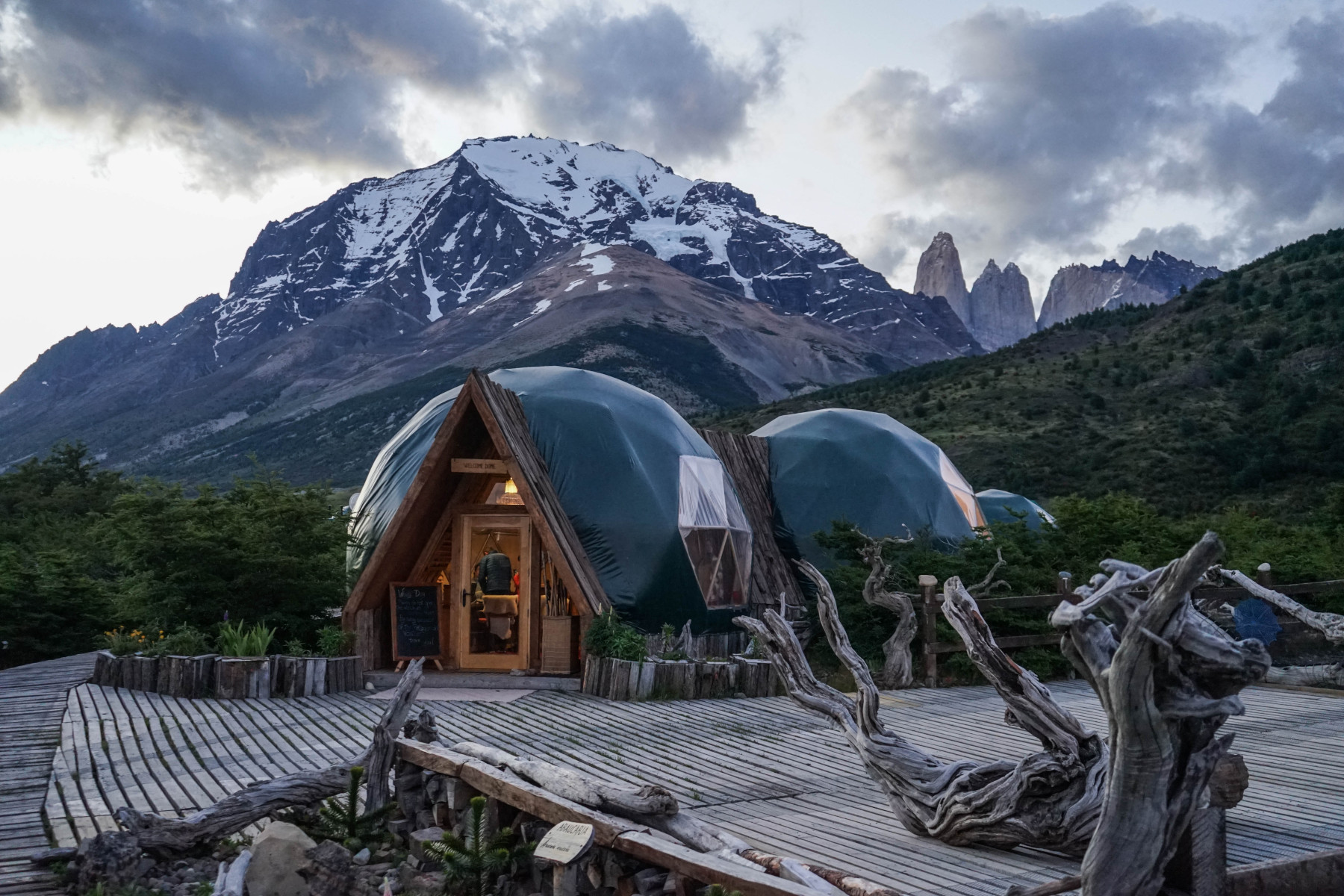
Time to wait for the clouds to reveal the granite towers.
Time to stop at an unexpected viewpoint because the light is perfect.
Time to share a meal with local hosts rather than rushing to the next destination.
When every transfer is carefully planned, travelers gain something far more valuable than efficiency.
They gain space to experience Patagonia.
Every Traveler Experiences Patagonia Differently
No two Patagonia journeys should look the same.
Some travelers dream of multi-day hikes beneath Fitz Roy.
Others prefer scenic walks followed by evenings in boutique lodges.
Some want to photograph wildlife.
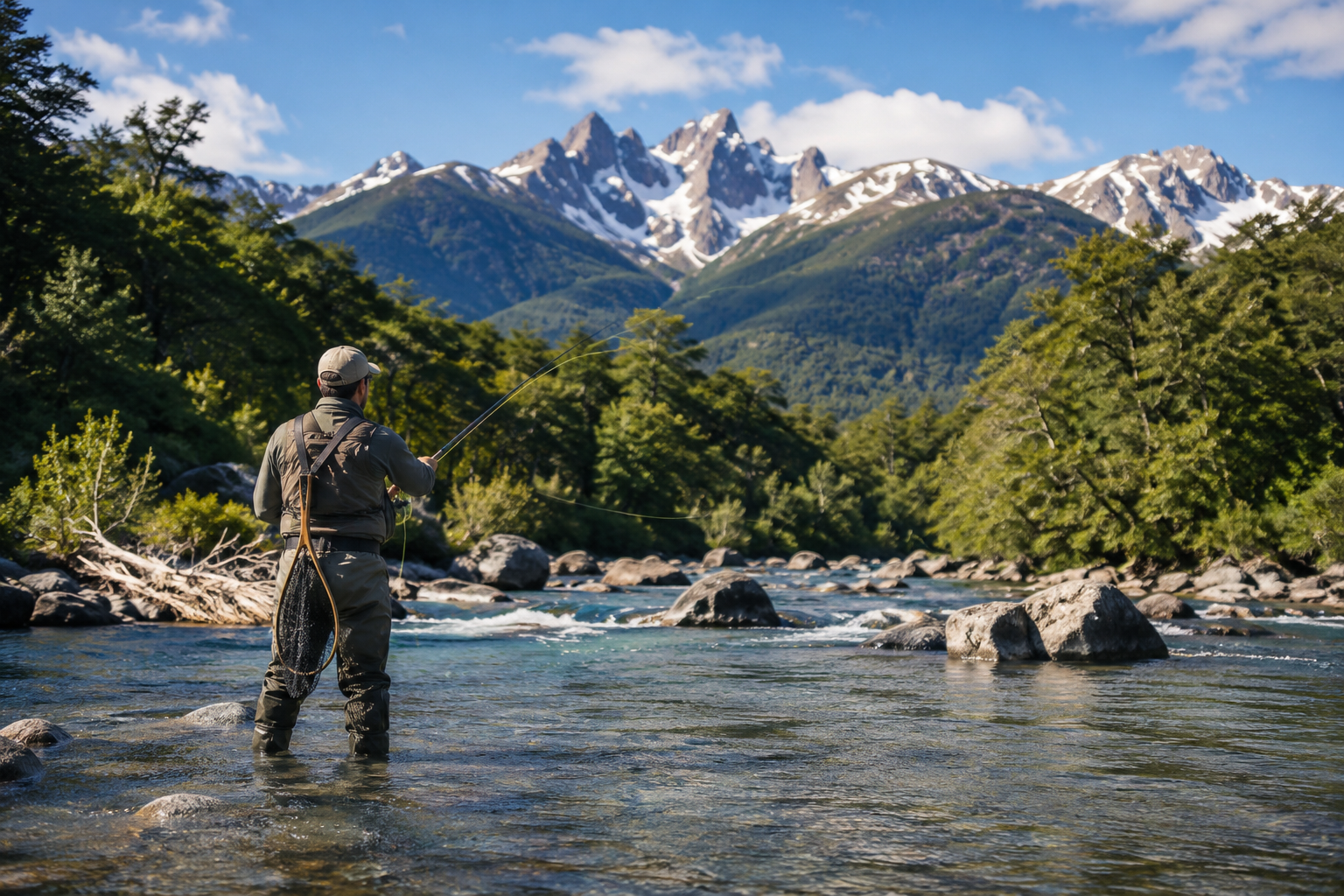
Others are passionate about fly fishing, horseback riding, conservation, or simply enjoying extraordinary landscapes from the comfort of a private guide.
Designing a tailor-made itinerary begins with understanding what inspires each traveler—not with choosing hotels or booking flights.
Local Knowledge Changes Everything
Guidebooks can tell you where to go.
Local knowledge tells you when to go, how long to stay, what to skip, and what few visitors ever discover.
It is the difference between arriving at a viewpoint with hundreds of people or having the same landscape almost entirely to yourself.
It is knowing which lodge offers the best access to wildlife, which road is worth driving, or when to cross from Chile into Argentina to avoid unnecessary travel.
These details rarely appear on maps, yet they often define the quality of a journey.
Going Beyond the Classic Highlights
Torres del Paine, Perito Moreno Glacier, and El Chaltén deserve their reputation.
But Patagonia extends far beyond its famous icons.
Remote valleys along the Carretera Austral.
The conservation story of Patagonia National Park.
Quiet estancias where gaucho traditions continue today.
The marble caves of General Carrera Lake.
The marine wildlife of Peninsula Valdés.
Small communities where local culture remains deeply connected to the landscape.
Tailor-made travel creates the flexibility to combine iconic destinations with places that reflect each traveler’s interests.
The Value of Travelling at the Right Pace
One of the most common mistakes I see is trying to fit too much into too little time.
Patagonia is enormous.
Driving long distances every day means spending more time in a vehicle than in nature.
A slower itinerary often allows travelers to experience more.
Watching sunrise over Torres del Paine.
Spending an extra afternoon hiking in Patagonia National Park.
Taking time to photograph guanacos crossing the steppe.
Sharing stories with local guides.
These moments cannot be scheduled.
They simply require time.
Sustainable Travel Begins With Better Planning
Responsible travel is not only about choosing eco-friendly accommodation.
It is also about travelling more thoughtfully.
Staying longer in fewer places.
Supporting locally owned lodges.
Working with experienced local guides.
Respecting wildlife.
Choosing experiences that contribute to conservation and local communities.
Well-designed itineraries naturally reduce unnecessary transport while creating stronger connections with the places visited.
Why I Design Patagonia Journeys Differently
Having lived in Chile and travelled extensively throughout Patagonia, I approach every itinerary from a local perspective.
Rather than selling fixed packages, I begin by understanding how each traveler likes to explore.
Some prefer photography. Some enjoy hiking.
Others are interested in wildlife, gastronomy, conservation, or simply spending time immersed in remarkable landscapes.
Every itinerary reflects those priorities.
No two journeys are exactly alike.
Patagonia Deserves More Than a Standard Itinerary
Patagonia is one of the last places on Earth where nature still determines the rhythm of travel.
Weather changes.
Wildlife appears unexpectedly.
Light transforms the landscape from one hour to the next.
The best journeys leave space for these moments.
Rather than trying to see everything, they focus on experiencing each place more deeply.
That is the philosophy behind every tailor-made journey I create.
Because Patagonia is not simply a destination.
It is a landscape best discovered slowly, thoughtfully, and with enough freedom to let the journey unfold naturally.