Rethinking Isla Magdalena & Discovering Responsible Alternatives
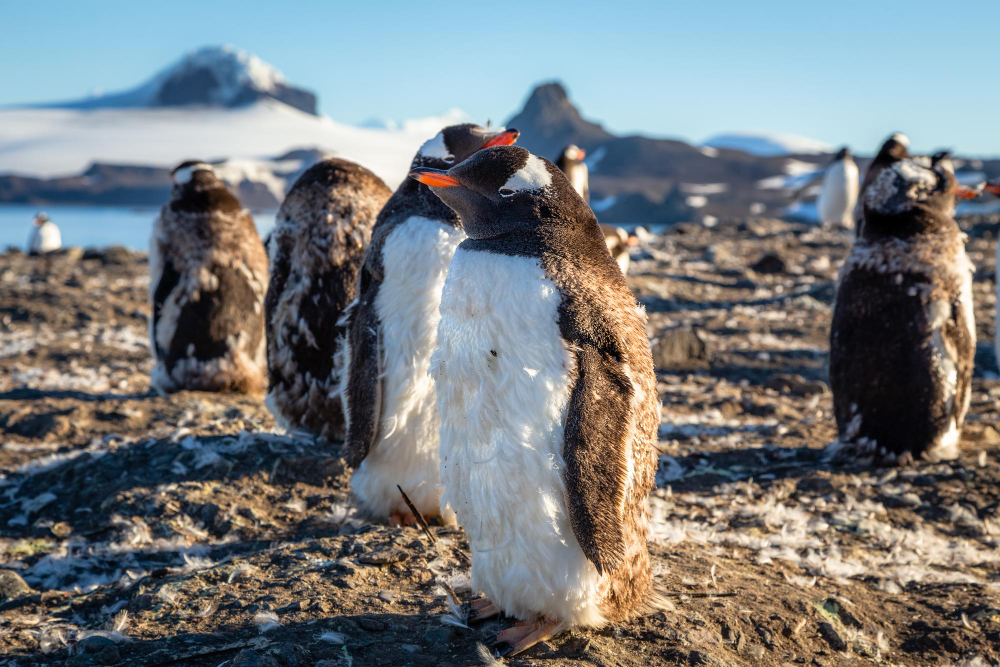
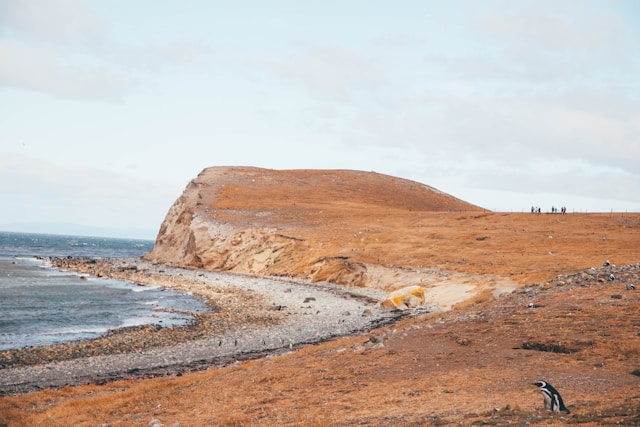
For decades, Isla Magdalena, in the Strait of Magellan, has been the image most travelers associate with penguins in Chile. Accessible, iconic, and long promoted as home to tens of thousands of Magellanic penguins, it became a must-see stop in Southern Patagonia.
However, recent scientific monitoring tells a more complex story.
Over the past two decades, Isla Magdalena’s breeding colony has declined dramatically — by more than 80%. While penguins are still present and the island remains protected within Los Pingüinos Natural Monument, current population estimates are significantly lower than historical figures still found across promotional platforms.
The reasons appear linked to broader ecological changes: ocean variability, migration shifts, redistribution toward other breeding zones, and cumulative environmental pressure. Reproductive success among remaining birds remains relatively stable, suggesting that external factors — rather than local collapse alone — may be influencing the colony’s evolution.
For conscious travelers, this invites a pause.
Wildlife destinations are not static icons — they are living ecosystems.
Instead of asking, “How many penguins will I see?”
We may begin to ask, “How can I visit responsibly?”
Responsible Penguin Experiences in Chile
🐧 Southern Patagonia: Mindful Visits to Isla Magdalena
If visiting Isla Magdalena:
-
Choose operators that emphasize small groups and interpretation.
-
Follow strictly marked trails.
-
Avoid intrusive photography.
-
Remember: penguins may approach you — remain still, do not pursue interaction.
A respectful visit can still be meaningful, even if numbers are lower than expected.
But Patagonia offers more.
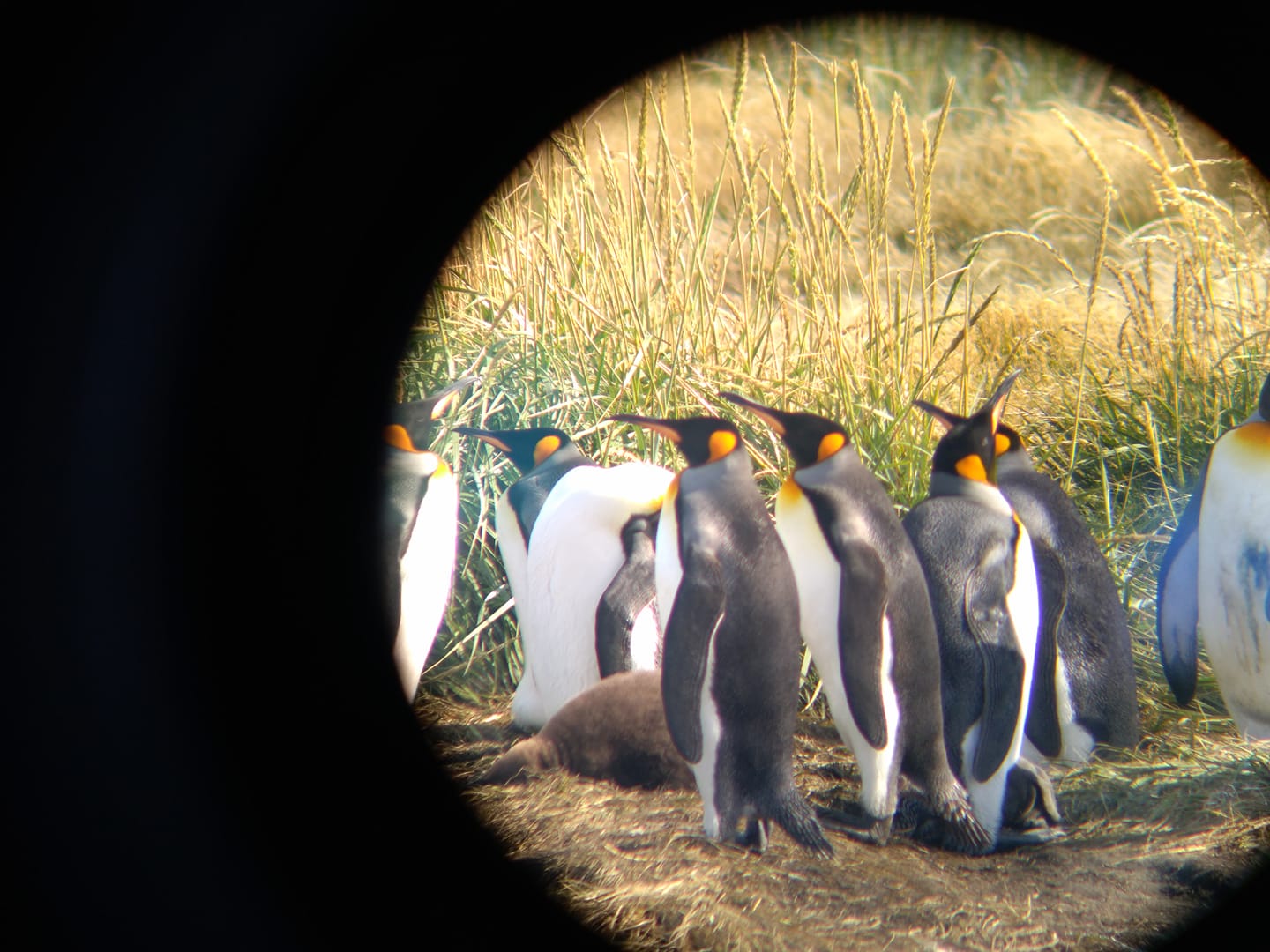
🐧 King Penguins – Bahía Inútil, Tierra del Fuego
In Tierra del Fuego, a small but stable mainland colony of King penguins has established itself — a rare phenomenon outside sub-Antarctic islands.
Here, observation platforms ensure distance and minimal disturbance. The setting feels vast, raw, elemental.
This experience shifts from abundance to intimacy — fewer birds, deeper presence.
Ideal for travelers seeking:
-
Silence
-
Landscape immersion
-
Minimal infrastructure
-
Controlled ecological management
🐧 Chiloé Island – Dual Species Encounter
Off the coast of Chiloé, at Puñihuil Natural Monument, Magellanic and Humboldt penguins breed side by side — one of the few places on Earth where both species share nesting space.
Boat excursions are regulated, and landing is limited. The surrounding coastal communities remain small-scale and culturally rich.
Pairing penguin viewing here with:
-
Local fisheries conversations
-
Small guesthouse stays
-
Marine ecosystem interpretation
creates a layered, responsible coastal experience.
🐧 Northern Chile – Humboldt Penguins & Marine Reserves
In the Coquimbo region, near La Serena, the Humboldt Penguin National Reserve protects key breeding islands:
-
Isla Choros
-
Isla Damas
-
Isla Chañaral
These northern penguins depend heavily on ocean productivity. Numbers fluctuate seasonally.
Visits occur by boat only, with no direct contact.
This is not a “walk among penguins” experience.
It is marine observation — patient, distanced, aware.
Further north, Pan de Azúcar National Park offers a quieter, drier contrast where desert and ocean meet.