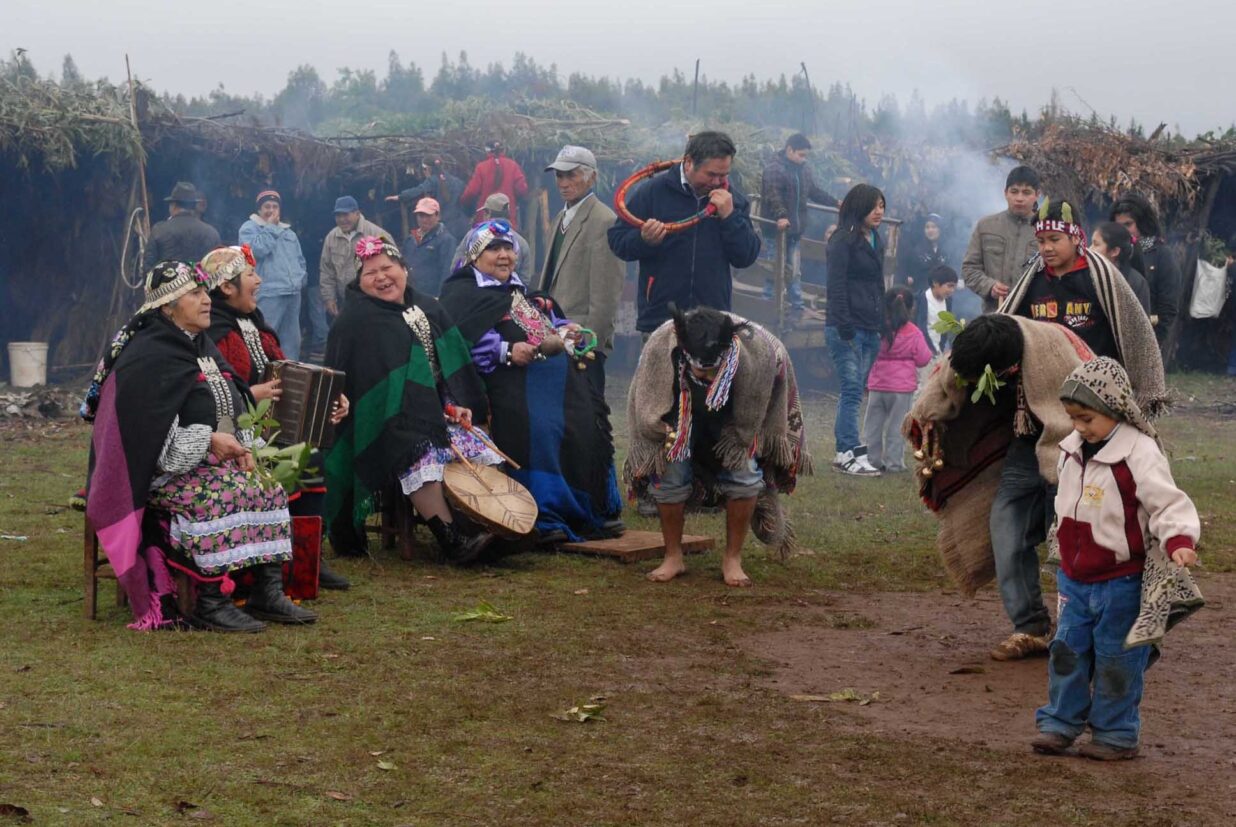
The celebration coincides with the winter solstice, the longest night of the year, a cosmic threshold interpreted by Mapuche culture as the rebirth of life. While it bears some resemblance to the concept of a New Year, We Tripantu carries a far deeper meaning. At its core lies an intimate relationship between humanity and the natural world, where the movement of the sun governs not only time, but balance and well-being. From this night onward, the sun begins its gradual return, and daylight slowly stretches once more across the landscape.
As We Tripantu begins, Patagonia’s landscapes subtly transform. Seasonal rains arrive, nourishing the soil and allowing new shoots to emerge. Rivers renew their waters, birds greet the day earlier, and animals shed their winter coats. The Earth reawakens, infused with fresh energy that signals continuity, growth, and transformation.
The Seasonal Rhythm of Land and Life
In Mapuche cosmovision, humans are inseparable from the natural environment. The renewal experienced by the land is believed to resonate within people and communities alike. The sun, moon, rain, ocean, and wind must remain in harmonious balance to ensure health, clarity, and inner equilibrium. We Tripantu embodies this philosophy, offering a moment of reflection and reconnection with the rhythms that govern life.
The winter solstice also holds deep agricultural significance. It marks a time when the land becomes receptive once again, allowing seeds to be sown and life to begin anew. Sandra Naiman, a Huilliche woman from the southern branch of the Mapuche people, preserves these ancestral practices through traditional farming. “This is when we begin to sow,” she explains. “The seeds germinate, and a new life starts to grow.”
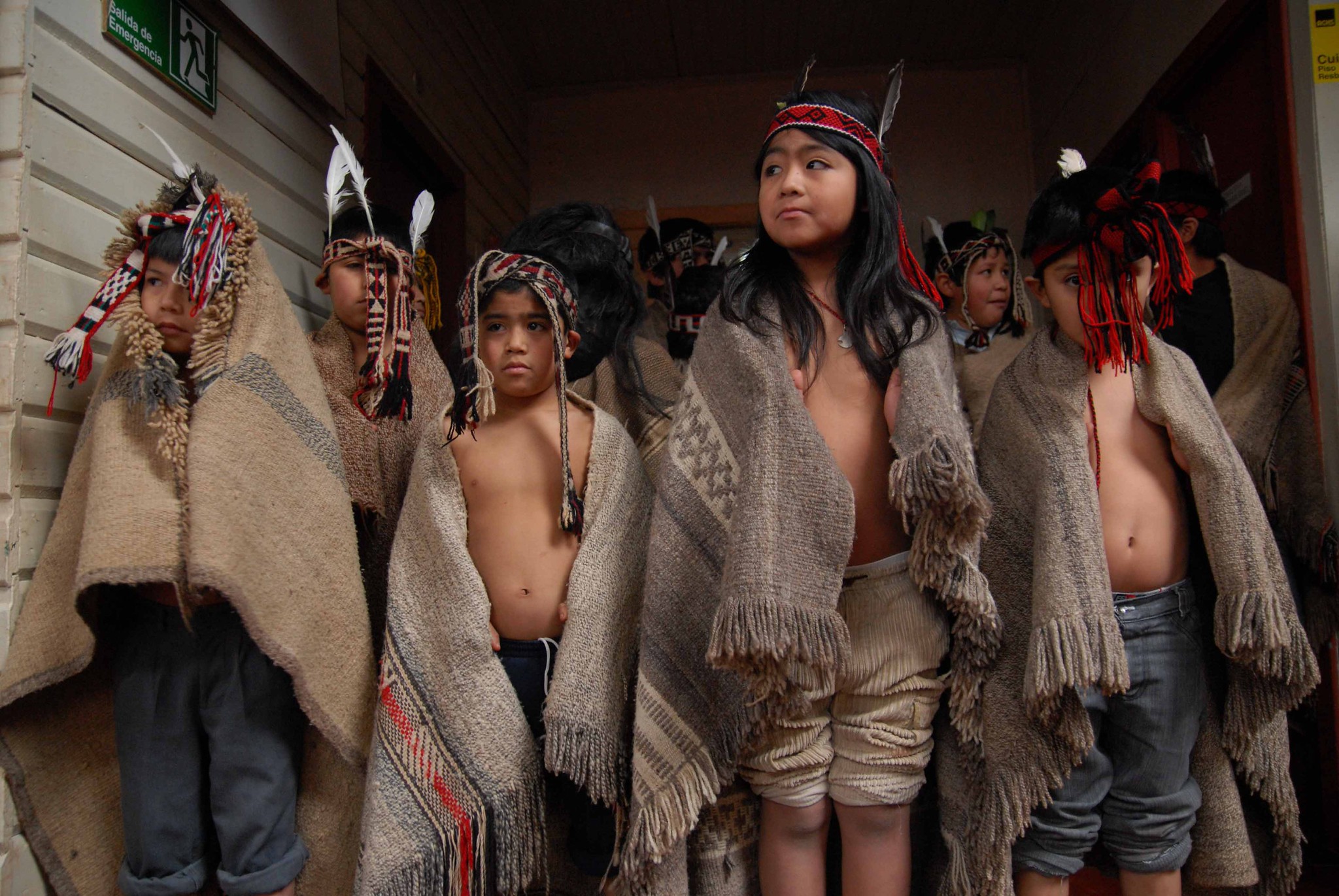
For Mapuche communities, We Tripantu is a collective experience. Before sunrise, people gather—often as early as six in the morning—to bathe in rivers believed to be purified by the solstice, absorbing renewed energy for the cycle ahead. The night before is devoted to quiet ceremonies and shared moments: traditional dishes are prepared, dances performed, prayers offered, and stories passed down by elders, preserving memory and wisdom across generations.
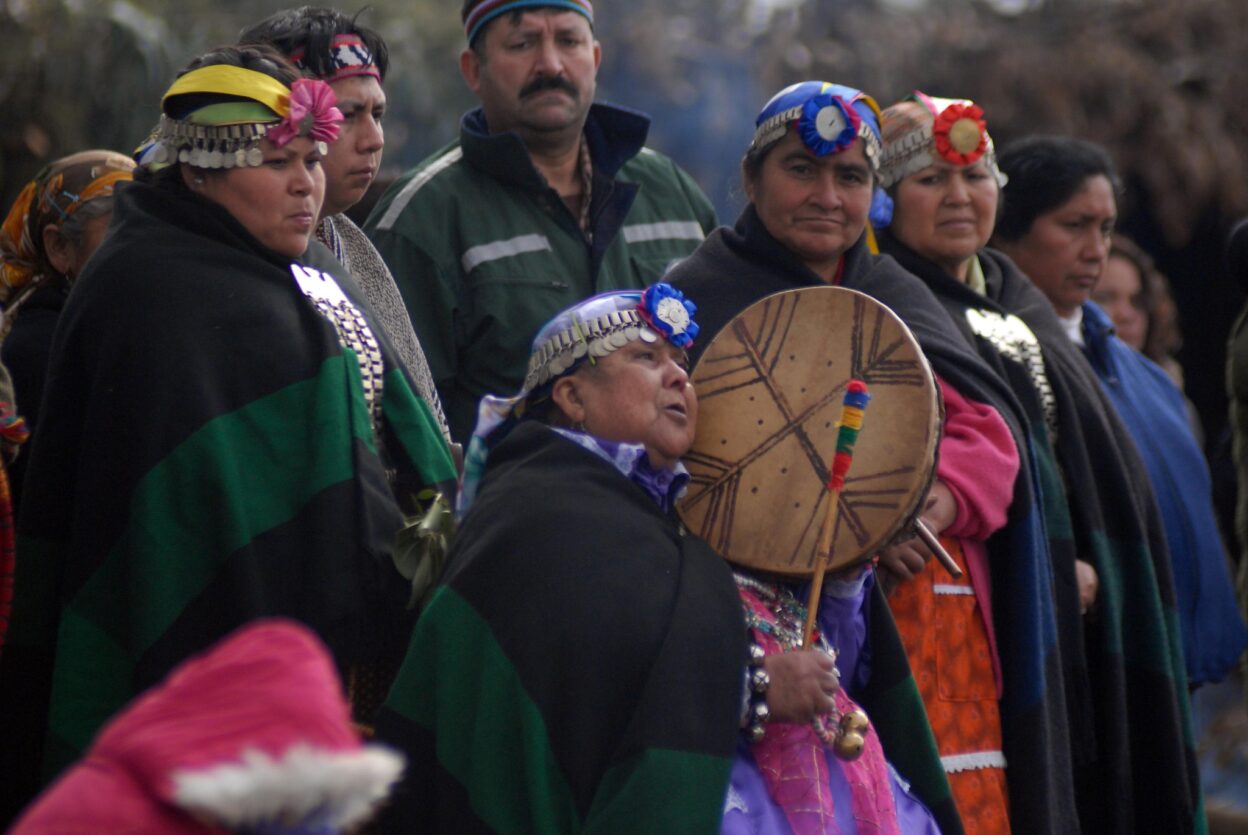
An Intimate Cultural Experience in Southern Chile
Today, We Tripantu remains a living expression of Mapuche identity and worldview. It offers rare insight into a way of life shaped by attentiveness to the land and by traditions refined over centuries. For travelers seeking meaningful cultural encounters rather than surface experiences, learning about We Tripantu reveals a deeper layer of southern Chile—one where luxury is found in authenticity, silence, and connection.
In regions such as the Chiloé Archipelago, as well as across the ancestral Mapuche territories of southern Chile, this celebration reflects a worldview that prioritizes balance, respect for nature, and continuity between past and present.
Encountering We Tripantu—whether through storytelling, seasonal travel, or cultural immersion—invites travelers to slow down, observe, and attune themselves to the rhythms of the Earth. It is an experience that resonates long after the solstice has passed, offering a rare perspective on time, place, and belonging.